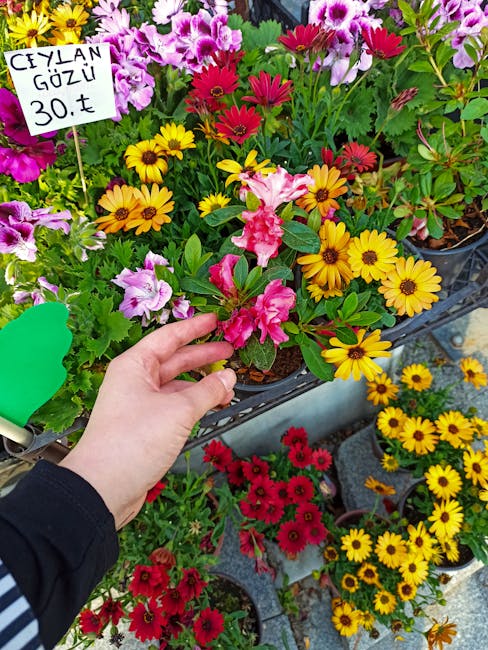
Whitechapel Market guide to buying seasonal flowers on a budget
Posted on 26/09/2026
Buying flowers in Whitechapel can feel like one of those small London joys that should be simple, but somehow isn't. You want something fresh, seasonal, and lovely-looking without watching the price creep up every time you add a stem. This Whitechapel Market guide to buying seasonal flowers on a budget is here to make that easier. Whether you are picking up a bunch for a dinner table, a birthday, a thank-you gesture, or just because the flat needs a bit of colour, the trick is knowing what to buy, when to buy it, and how to judge value quickly.
Let's face it, flowers are emotional purchases as much as practical ones. You're not just buying stems. You're buying mood, presence, a bit of cheer on a grey East London day. The good news is that seasonal flowers usually give you the best value for money, especially when you buy with a clear plan. And yes, you can still make them look generous without overspending.
In this guide, you'll find a practical way to choose seasonal flowers, avoid common budget traps, and get more from your money in Whitechapel. There are tips for everyday shoppers, last-minute buyers, and anyone who wants to stretch a small budget a little further without ending up with something sad and floppy by evening. Nobody needs that.
Table of Contents
- Why Whitechapel Market guide to buying seasonal flowers on a budget Matters
- How Whitechapel Market guide to buying seasonal flowers on a budget Works
- Key Benefits and Practical Advantages
- Who This Is For and When It Makes Sense
- Step-by-Step Guidance
- Expert Tips for Better Results
- Common Mistakes to Avoid
- Tools, Resources and Recommendations
- Law, Compliance, Standards, or Best Practice
- Options, Methods, or Comparison Table
- Case Study or Real-World Example
- Practical Checklist
- Conclusion
- Frequently Asked Questions
Why Whitechapel Market guide to buying seasonal flowers on a budget Matters
Seasonal buying matters because flowers are, quite literally, a moving target. What looks affordable in one month can become expensive in another simply because it's out of season or hard to source. In a busy area like Whitechapel, where people often want quick, good-looking purchases, that difference can be the thing that makes a bouquet feel like a bargain or a splurge.
There's also a local reality to think about. Whitechapel shoppers are often balancing time, travel, and money in the same trip. Maybe you're coming off the Tube, heading home after work, or picking up flowers between errands. You want something that looks thoughtful without needing a whole mission. Budget flower buying is not about going cheap for the sake of it; it's about spending wisely, which is a different thing entirely.
Seasonal flowers usually offer better value because supply is more predictable. They tend to travel less, hold up well, and arrive in a wider choice of sizes and colours. That can translate into fuller bouquets for your money. And when you're choosing with a budget in mind, fullness matters more than fancy packaging. Truth be told, a simple bunch of well-chosen seasonal stems can look more luxurious than a pricier mix that's been pushed in every direction.
Another reason this matters is longevity. Seasonal flowers often suit the weather and environment better, so they can last longer once they're home. In a warm room, a flower that's already out of sync with the season may fade faster. Nobody wants to spend carefully and then watch the petals drop by Tuesday.
For local buyers, the practical value is clear: seasonal flowers help you spend less, waste less, and usually enjoy more. That's a solid trio.
How Whitechapel Market guide to buying seasonal flowers on a budget Works
The basic idea is simple. You choose flowers that are naturally abundant at the time you're buying, then build a bouquet around them instead of forcing an out-of-season wishlist. That shift alone can save money and improve the overall look. It also makes the buying process less stressful, because you're responding to what's available rather than chasing a perfect arrangement in your head.
At a market or florist, budget-friendly seasonal buying usually follows the same logic:
- Start with one or two main flowers that are in season.
- Add a smaller supporting flower or a bit of greenery to increase the size of the bunch.
- Use colour strategically so the bouquet looks cohesive, not busy.
- Ask for the freshest stems available in your price range.
- Choose blooms at the right stage of opening so you get more life at home.
This works because floristry is partly about proportion. A bouquet doesn't need rare flowers to look good. It needs balance, freshness, and a shape that feels intentional. A handful of tulips, carnations, alstroemeria, or chrysanthemums can look surprisingly generous when the bunch is arranged well. If you've ever seen a tiny bunch transformed by a bit of clever wrapping and some foliage, you'll know exactly what I mean.
Budget buying also works better when you think in terms of value per stem, not just total price. A cheaper bunch that looks sparse may actually be poorer value than a slightly more expensive one with fuller heads and longer vase life. That's where a little experience helps, but you'll get there quickly. The eyes catch up fast.
If you want a wider choice beyond market-style buying, it can be useful to compare with options such as cheap flowers in Whitechapel or browse broader categories like all flowers to see how price and style vary. Sometimes the best budget choice is simply the one that looks the fullest for the money.
Key Benefits and Practical Advantages
Seasonal flowers are not just cheaper in many cases. They're also easier to shop for intelligently. That matters when your budget is tight, because every small decision starts to count.
- Better value for money: Seasonal flowers are usually more available, so you often get more bloom for the same spend.
- Longer vase life: Flowers that are in season tend to travel and adapt better, which can help them last longer indoors.
- More natural colour options: Seasonal palettes often feel richer and less forced.
- Less waste: Buying what's available usually means fewer stems are discarded later.
- More flexible styling: A seasonal bunch can be dressed up for birthdays, thank-yous, or a simple table display.
There's another benefit people sometimes overlook: seasonal buying can make you a better judge of quality. Once you know what good tulips or carnations should look like at a given time of year, it becomes much easier to spot value quickly. That's useful whether you're shopping in person or comparing flowers online.
And if you're buying for a specific reason, the range is still broad enough to feel personal. For example, a budget-conscious birthday bouquet might lean on something bright like birthday flowers, while a thank-you gift could use a mixed selection from a more general range such as thank you flowers. The seasonal principle stays the same either way.
Expert summary: The cheapest flowers are not always the best value. For budget buying, look for freshness, stem count, and seasonality first. Price comes after that.
Who This Is For and When It Makes Sense
This approach makes sense for a lot of people, not just bargain hunters. In our experience, the people who benefit most are the ones who want flowers regularly, not occasionally. If you buy a bunch most weeks, even a small saving adds up over time. If you only buy for special moments, seasonal choices can still help you make those moments feel more polished without overspending.
It's especially useful for:
- Local shoppers picking up flowers on the way home
- People buying for a dinner table or flat-sharing space
- Anyone trying to keep gifting affordable
- Students, young professionals, and families on a tighter budget
- Shoppers who care about freshness more than rarity
- People who want flowers but don't want a complicated decision
It also suits practical occasions where the gesture matters more than the scale. A small, bright bunch can say plenty. Sometimes more than a grand one, honestly. If the arrangement is thoughtful, the recipient notices. They usually do.
If you're sending flowers rather than carrying them home yourself, you can still apply the same logic through options like flower delivery in Whitechapel E1 or send flowers to Whitechapel. Budget doesn't disappear just because the flowers travel.
Step-by-Step Guidance
Here is the most practical way to buy seasonal flowers without overspending. Keep it simple. That's the point.
1. Decide the job the flowers need to do
Are you buying for your kitchen table, a gift, or a formal occasion? A vase bunch for home can be looser and cheaper. A gift may need a more finished look. A sympathy or celebration arrangement may require a different structure. Clear purpose stops you from adding extras you don't actually need.
2. Set a budget before you look around
Even a rough budget helps. You might think you're "just browsing," then suddenly a premium bouquet has somehow wandered into your hand. It happens. If you know your limit in advance, you can ask for the best seasonal option within it rather than falling for the prettiest label.
3. Look for stems that are naturally in season
Seasonal flowers tend to give you the best balance of freshness and cost. In many situations, that means looking at blooms such as tulips, carnations, alstroemeria, chrysanthemums, germini, lilies, and mixed florist's choice selections. The exact mix will change through the year, which is the whole point.
4. Judge quality with your eyes and hands
Check for firm stems, fresh leaves, and heads that are not drooping badly. A little opening is good; fully stressed blooms are not. If the bunch looks bruised or dry around the edges, keep walking. Simple, but important.
5. Choose a colour direction
A narrow colour palette often looks more expensive. White and green can feel clean and calm. Pinks and purples can feel soft and romantic. Mixed colours can be lively, but only if they're balanced. Too many colours, and a budget bunch can start looking accidental.
6. Add fullness with inexpensive supporting stems
Greenery, filler flowers, and smaller blooms can make a bouquet appear much larger. This is where budget floristry gets clever. The arrangement doesn't need the most expensive flower on the table. It needs volume and shape.
7. Ask for alternatives if one flower is overpriced
Good florists can usually suggest another stem with a similar mood. If peonies are out of budget, a florist may steer you toward something that gives a soft, rounded look without the cost shock. If you're not sure, ask. There's no prize for pretending you know everything.
8. Think about the vase or wrap at home
A simple vase can make a budget bouquet look deliberate. If you're displaying flowers immediately, you can choose a style that suits your vase size and home space. For care and aftercare, a helpful reference point is the site's flower care guide, which can help you get a bit more life out of your purchase.
Expert Tips for Better Results
Small adjustments make a big difference here. That's where the savings really happen.
- Buy earlier in the day if you can. Fresher stock usually means better choice.
- Pick buds with some colour. They often last longer at home than fully open flowers.
- Use one strong focal flower and let the rest support it. The bouquet will look more intentional.
- Don't ignore texture. A mix of soft petals and firmer blooms often looks richer than a straight single-flower bunch.
- Ask for florist's choice when you're flexible. It can be a smart way to get the best value from the day's available stock.
- Go for simple colour combinations. Two or three related shades usually look calmer and more expensive than a rainbow mix.
- Trim stems at an angle once home. It helps with water uptake and can support vase life.
If you want a smarter budget strategy, look at mixed bundles and value-led categories rather than aiming straight for premium statements. For example, budget flowers or florist's choice can sometimes offer more visual impact than a narrow, fixed bunch. A lot depends on what has just come in, and that changes quickly.
Here's a small but useful habit: when you see a bunch you like, ask yourself whether you like the shape, the colour, or the flower type. If only one of those matters, you can often find a cheaper equivalent. If all three matter, you may need to spend a bit more. That's not failure. It's just clear-eyed buying.
Also, in the colder months, flowers that are hardy and compact can often outperform large, delicate blooms on a budget. In summer, you may find brighter, looser arrangements feel more natural and better value. The season tends to tell you what to buy if you stop rushing. Slightly annoying, but true.
Common Mistakes to Avoid
Most budget flower disappointments come from a few familiar mistakes. Once you know them, they're easy enough to dodge.
- Buying out of season because it looks pretty: Pretty can be expensive. Seasonal is usually wiser.
- Choosing only based on price: The cheapest bunch can look thin and fade quickly.
- Ignoring stem count: A lower price with fewer stems may not be better value.
- Picking flowers already fully open: They may look nice today and tired tomorrow.
- Overcomplicating colour choices: Too many colours can make a small bouquet look busy rather than rich.
- Forgetting transport: Delicate flowers can get knocked about on the journey home.
- Not checking freshness: Bruised petals, limp leaves, and bent stems are warning signs.
Another common issue is forgetting the destination. A wide-headed arrangement may look beautiful in the shop but awkward in a narrow vase at home. If you know your vase shape, buy accordingly. That one tweak can make a modest bunch look much better. Really, much better.
If you're buying for a larger event, the same caution applies. For celebratory occasions, it can help to browse structured options such as wedding flowers or more occasion-led ranges like weddings only when the style and budget truly suit. Otherwise, stay focused on the seasonal value that brought you here in the first place.
Tools, Resources and Recommendations
You do not need special equipment to buy flowers well, but a few simple tools and habits make the whole thing smoother.
- A medium vase or jar: Helpful for judging scale at home.
- Sharp scissors or floral snips: For clean stem cuts.
- Cool water: A fresh start once you get home.
- A basic budget: So you know when to stop.
- A quick note of what is in season: Even a rough mental list helps.
For budget-conscious shoppers, these website categories can also help you compare styles before you buy. summer flowers and autumn flowers are good examples of season-led browsing, while flower shops in Whitechapel E1 can help you narrow the search to local options.
Some people also like to think about purpose-led purchases. If you want something cheerful, any occasion flowers or best sellers can be a useful starting point. If you want longer-term value, subscriptions like a three-month flower subscription, a six-month flower subscription, or a twelve-month flower subscription can make budgeting easier in a different way.
Law, Compliance, Standards, or Best Practice
For everyday flower buying, there usually isn't much legal complexity for the customer, but best practice still matters. If you are buying from a florist or market trader in the UK, it is sensible to expect clear pricing, honest descriptions, and basic consumer fairness. If something looks misleading, ask questions before you pay. That's not being awkward; it's just sensible.
For delivery purchases, check the stated delivery area, cut-off times, substitutions policy, and refund terms before ordering. These details can affect whether the bouquet arrives when expected and whether you know what happens if a specific stem is unavailable. If you are sending flowers as a gift, this matters a lot more than people often realise.
There are also practical quality norms worth watching:
- Flowers should look fresh at the point of sale.
- Any substitutions should be reasonable and broadly similar in value and style.
- Packaging should protect the stems during transport.
- Care instructions should be easy to follow.
If you are buying for events such as weddings, funerals, or religious tributes, the standard of care becomes even more important. In those settings, arrangement style, timing, and handling all matter. For example, a sympathy tribute or wreath should be ordered with enough lead time to allow proper preparation. If you need options for more formal occasions, categories such as funeral flowers and sympathy flowers provide a useful comparison point.
Best practice in budget buying is simple: be clear, ask early, and choose freshness over guesswork.
Options, Methods, or Comparison Table
If you are deciding how to buy seasonal flowers on a budget, it helps to compare the main methods side by side. Different people need different levels of convenience, and that's fair enough.
| Buying method | Best for | Budget value | What to watch |
|---|---|---|---|
| In-person seasonal pick | Quick local purchases, hands-on choice | Often strong | Quality varies by day; check freshness carefully |
| Florist's choice bouquet | Flexible shoppers who want good value | Very good when stock is healthy | Less control over exact stems |
| Pre-set budget range | Shoppers who want certainty | Good | May be less flexible if supply changes |
| Delivery order | Gifts and convenience | Can be good, but check fees | Delivery timing and substitutions matter |
| Mixed seasonal bunch | People who want variety on a budget | Usually good | Some stems may open at different rates |
In Whitechapel, where many people want a fast, practical purchase, florist's choice and seasonal mixed bunches often give the strongest balance of price and appearance. If you know what you want, fixed categories can be helpful too. If you do not, let the season decide. It's usually the least frustrating route.
For example, if you want something lively and low-cost, a mixed seasonal bunch can sit nicely alongside mixed colours or a softer look from white flowers. If you prefer a warmer palette, yellow flowers can feel bright without being overly formal.
Case Study or Real-World Example
Here's a realistic scenario. A Whitechapel shopper wants a bunch for a Friday evening dinner with friends. The budget is modest. The person wants something cheerful, not too formal, and ideally something that will still look nice on Sunday morning.
Instead of searching for a rare flower, they choose a seasonal mixed bunch with a clear colour direction. Let's say the palette leans pink and white, with a few supporting stems to fill it out. The bouquet is not huge, but it has shape. A couple of stems are just opening, which means the display will keep changing over the next day or two. The result feels fresh and intentional, not thrown together.
That same buyer could easily have spent more on a fashionable but out-of-season arrangement and ended up with less volume, less life, and more disappointment. The seasonal choice wins because it matches the job. Simple as that.
Another common real-world example is a small gift for a neighbour, colleague, or relative. People often think they need a grand bouquet to be thoughtful. They don't. A neat seasonal bunch with a little colour and good presentation can land beautifully, especially if you choose flowers that suit the person's taste. If they like soft colours, go pale. If they like cheerful energy, go bright. If you're unsure, a floristry range like a florist choice basket shows how a simpler structure can still look generous.
That is the heart of budget flower buying: spend on the look and lifespan, not on the label.
Practical Checklist
Use this quick checklist before you buy. It saves time and usually saves money too.
- Have I set a budget?
- Do I know what the flowers are for?
- Am I choosing seasonal stems where possible?
- Do the stems look fresh and firm?
- Is the colour palette simple and coherent?
- Will the bouquet fit my vase or the recipient's space?
- Do I need delivery, or can I carry it home?
- Have I checked any substitutions or care notes?
- Am I buying value, not just the lowest price?
- Do I know how I'll keep them fresh once home?
If you can tick most of those boxes, you're usually in good shape. If not, pause for a second. The right bouquet is rarely the one that makes you rush. It's the one that still feels good when you get it home in the evening light.
Conclusion
A smart Whitechapel Market guide to buying seasonal flowers on a budget is really about confidence. Once you know how to spot seasonal value, choose a clean colour palette, and judge freshness quickly, flower shopping stops feeling like guesswork. You don't need the biggest bunch or the fanciest stems. You need the right flowers, at the right time, for the right purpose.
Seasonal buying rewards people who stay flexible. It gives you more choice, better value, and usually a more natural-looking arrangement. In a place like Whitechapel, where convenience matters but so does getting a little beauty for your money, that's a very practical win. And if you remember just one thing from this guide, make it this: buy for freshness first, season second, and price third.
Get a free quote today and see how much you can save.
However you choose to buy, a good bunch can brighten a room faster than almost anything else. That's not a small thing on a long day.
Frequently Asked Questions
What are the best seasonal flowers to buy on a budget in Whitechapel?
It depends on the time of year, but value-friendly choices often include tulips, carnations, alstroemeria, chrysanthemums, and germini. These flowers can offer good volume and decent vase life, which helps when you want a fuller look without spending too much.
How do I know if seasonal flowers are actually good value?
Look at freshness, stem count, and overall shape, not just the price tag. A slightly more expensive bunch that is fuller and longer-lasting may be better value than a cheaper one with fewer stems or tired petals.
Is florist's choice a good option for budget buyers?
Often, yes. Florist's choice can be one of the best ways to get strong value because the florist can use the freshest and most available stems. You lose some control over exact flowers, but you usually gain flexibility and better use of stock.
Should I buy flowers in the morning or later in the day?
Earlier is usually better if you want the broadest choice and the freshest-looking stock. Later in the day can still work, but the best-looking stems may already be gone. If you are not fussy, the savings can still be fine.
What colours are best for a budget bouquet?
Simple colour schemes usually work best. White and green feels clean, pink and white feels soft, and yellow can look cheerful without needing lots of extras. A limited palette often makes a budget bouquet look more considered.
How can I make cheap flowers look more expensive?
Focus on symmetry, remove damaged leaves, trim the stems, and place the flowers in a clean vase. A small amount of greenery can also help create fullness. A tidy arrangement often looks far better than a crowded one.
Can I still get same-day flowers if I'm trying to save money?
Yes, though availability depends on stock and cut-off times. Same-day options can still be budget-friendly if you choose seasonal or florist's choice arrangements rather than highly specific stems.
Are seasonal flowers better for delivery too?
Usually yes, because they tend to travel and settle well. If you are ordering delivery, seasonal flowers can be a sensible way to balance freshness, presentation, and cost, especially if you need convenience.
What should I avoid when buying flowers on a tight budget?
Avoid out-of-season blooms, very sparse bunches, and flowers that already look stressed or bruised. Also avoid overcomplicating your colour choice. Simpler is usually smarter when money matters.
How long should budget flowers last at home?
That depends on the flower type and care, but many seasonal bouquets can last well if you trim the stems, change the water, and keep them away from heat and direct sun. Freshness at the point of purchase makes a big difference.
Is it better to buy a mixed bouquet or single-flower bunches?
Both can work. Mixed bouquets often look fuller and more complete, while single-flower bunches can be cheaper and easier to style if you know what you are doing. For most people, a mixed seasonal bunch is the safer value pick.
Do I need to worry about refunds or substitutions?
If you are ordering for delivery, yes, it is sensible to check the florist's substitutions, delivery, and refund terms before you buy. That way you know what to expect if a particular stem is unavailable or if timing changes.
What's the easiest way to stay within budget when buying flowers regularly?
Set a rough spending limit, choose seasonal flowers, and stick to a few favourite colour palettes. Regular buying becomes much easier when you are not making a brand-new decision every time. Small routine, less stress.